
Safety of Infants and Small Children
Protecting Infants
An infant must be properly restrained in a rear-facing child restraint system until the infant reaches the child restraint system manufacturer’s weight or height limit for the seat.
Positioning a rear-facing child restraint system
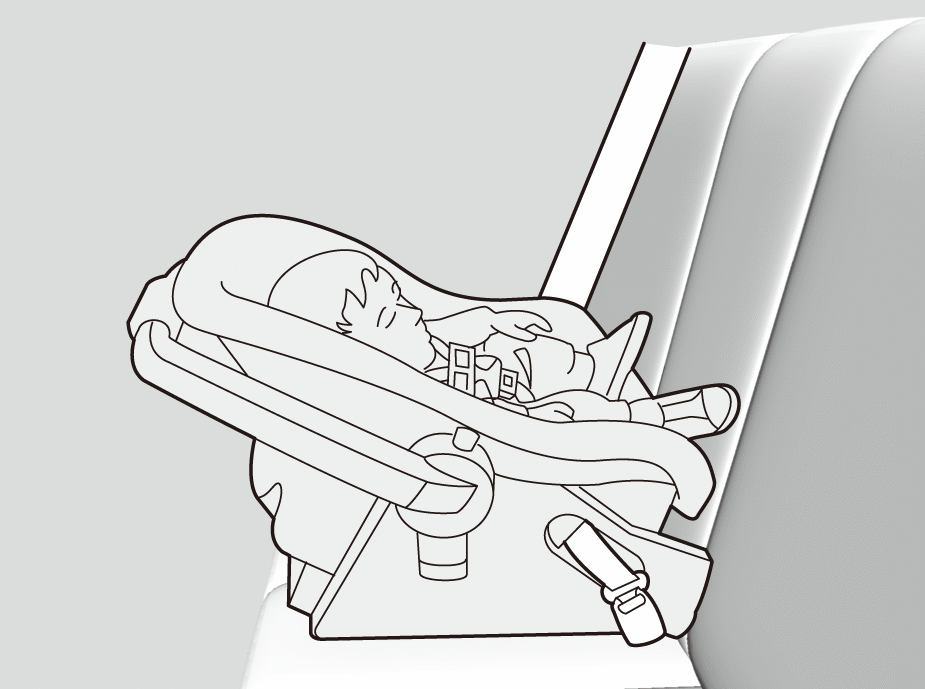
Child restraint system must be placed and secured in a rear seating position.
- We recommend that you install the child restraint system directly behind the front passenger’s seat, move the seat as far forward as needed, and leave it unoccupied.
- Make sure that there is no contact between the child restraint system and the seat in front of it. If there is, you may wish to get a smaller rear-facing child restraint system.
Many experts recommend use of a rear-facing child restraint system for a child up to two years old if the child’s height and weight are appropriate for a rear-facing child restraint system.
Rear-facing child restraint systems should never be installed in a front-facing position.
Always refer to the child restraint system manufacturer’s instructions before installation.
If the passenger’s front airbag inflates, it can hit the rear-facing child restraint system with great force, which can dislodge or strike the system, and seriously injure the child.
If it is absolutely unavoidable to install a rear-facing child restraint system in the front passenger seat, manually turn off the passenger front airbag system.
When properly installed, a rear-facing child restraint system may prevent the driver or a front passenger from moving their seat all the way back, or from locking their seat-back in the desired position.
 WARNING
Placing a rear-facing child restraint system in the front seat can result in serious injury or death if the passenger’s front airbag inflates.
Always place a rear-facing child restraint system in the back seat, not the front.
Protecting Smaller Children
If a child has exceeded the weight and height limitations of a rear-facing child restraint system, the child should be properly restrained in a firmly secured front-facing child restraint system until they exceed the weight and height limitations for the front-facing child restraint system.
Educate yourself about the laws and regulations regarding child restraint system use where you are driving, and follow the child restraint system manufacturer’s instructions.
Front-facing child restraint system placement
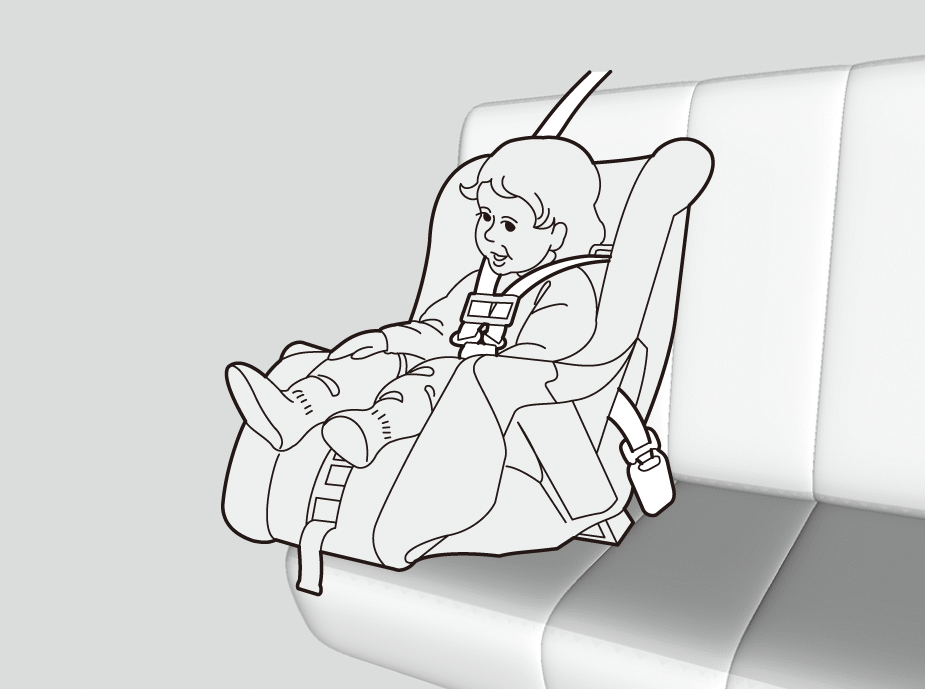
We strongly recommend placing a front-facing child restraint system in a rear seating position.
Placing a front-facing child restraint system in the front seat can be hazardous. A rear seat is the safest place for a child.
WARNING
Placing a front-facing child restraint system in the front seat can result in serious injury or death if the front airbag inflates.
If you must place a front-facing child restraint system in front, move the vehicle seat as far back as possible, and properly restrain the child.
Selecting a Child Restraint System
Some child restraint systems are lower anchorage compatible. Some have a rigid-type connector while others have a flexible-type connector. Both are equally easy to use. Some existing and previously owned child restraint systems can only be installed using the seat belt. Whichever type you choose, follow the child restraint system manufacturer’s use and care instructions including recommended expiration dates as well as the instructions in this manual. Proper installation is key to maximising your child’s safety.
The flexible type may not be available in your country.
In seating positions and vehicles not equipped with lower anchorages, install a child restraint system using the seat belt and a top tether for added security. This is because all child restraint systems must be secured with the seat belt when the lower anchorage system is not in use. In addition, the child restraint system manufacturer may advise that a seat belt be used to attach an ISOFIX restraint system once a child reaches a specified weight. Please read the child restraint system owner’s manual for proper installation instructions.
Important consideration when selecting a child restraint system
- The child restraint system is the correct type and size for the child.
- The child restraint system is the correct type for the seating position.
- The child restraint system is compliant with safety standards. We recommend a child restraint system compliant with UN Regulation No. 44 or No. 129, or the regulations of the subject countries. Look for the approval mark on the system and the manufacturer’s statement of compliance on the box.

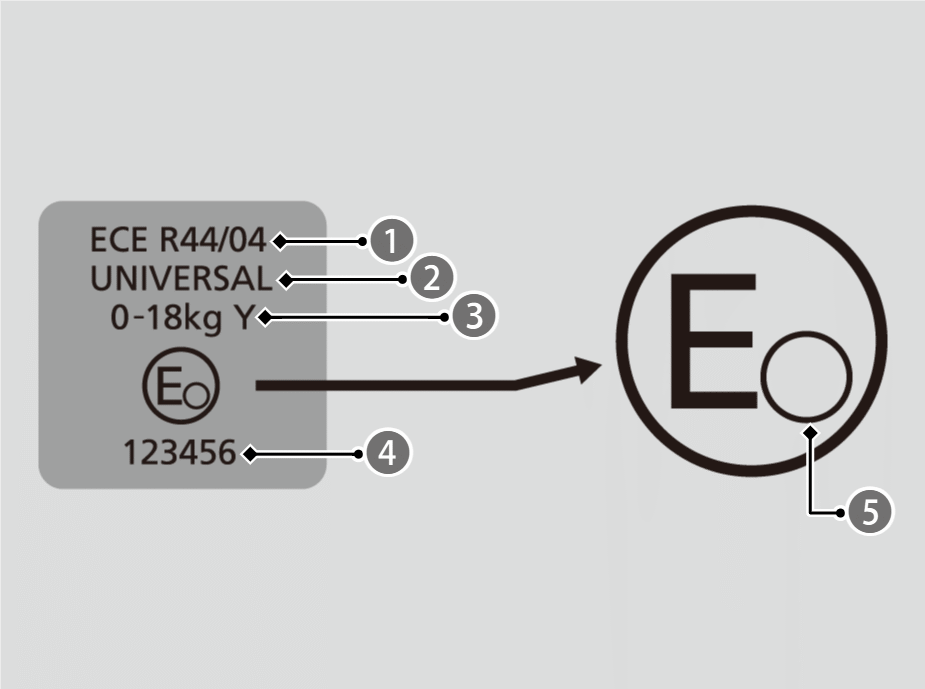

Regulation number

Category

“Mass group”

Approval number

Country code
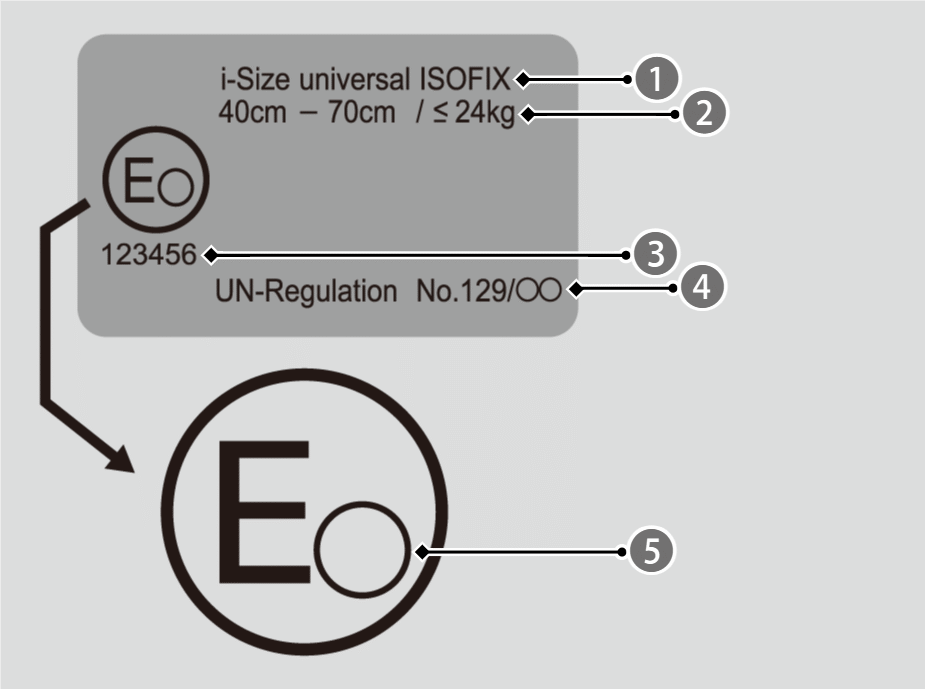
Category
Size and weight indication
Approval number
Regulation number
Country code
Lower anchorage-compatible child restraint systems have been developed to simplify the installation process and reduce the likelihood of injuries caused by incorrect installation.
The Recommended Child Restraint Systems
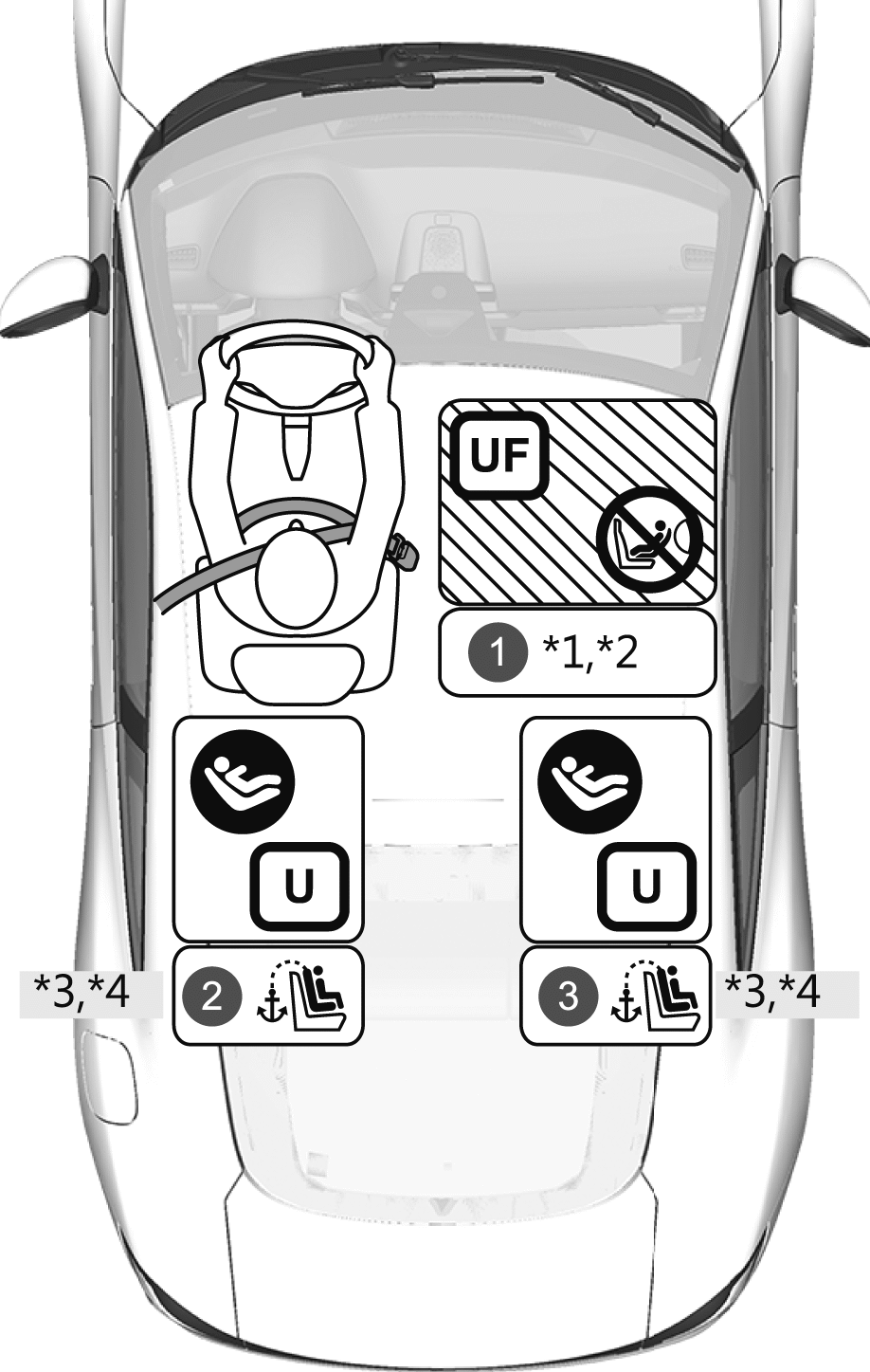
Locations for Child Restraint System Installation
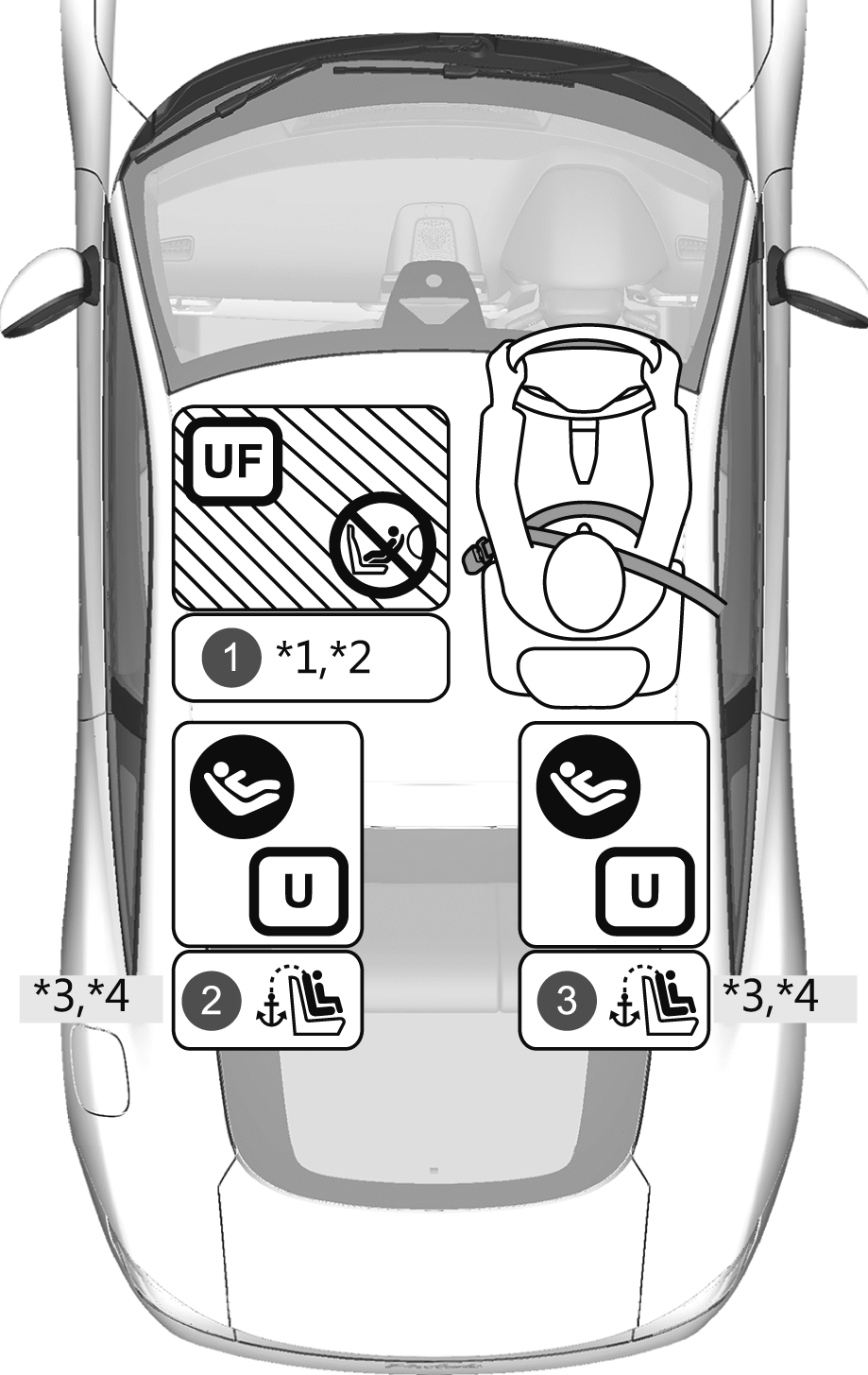
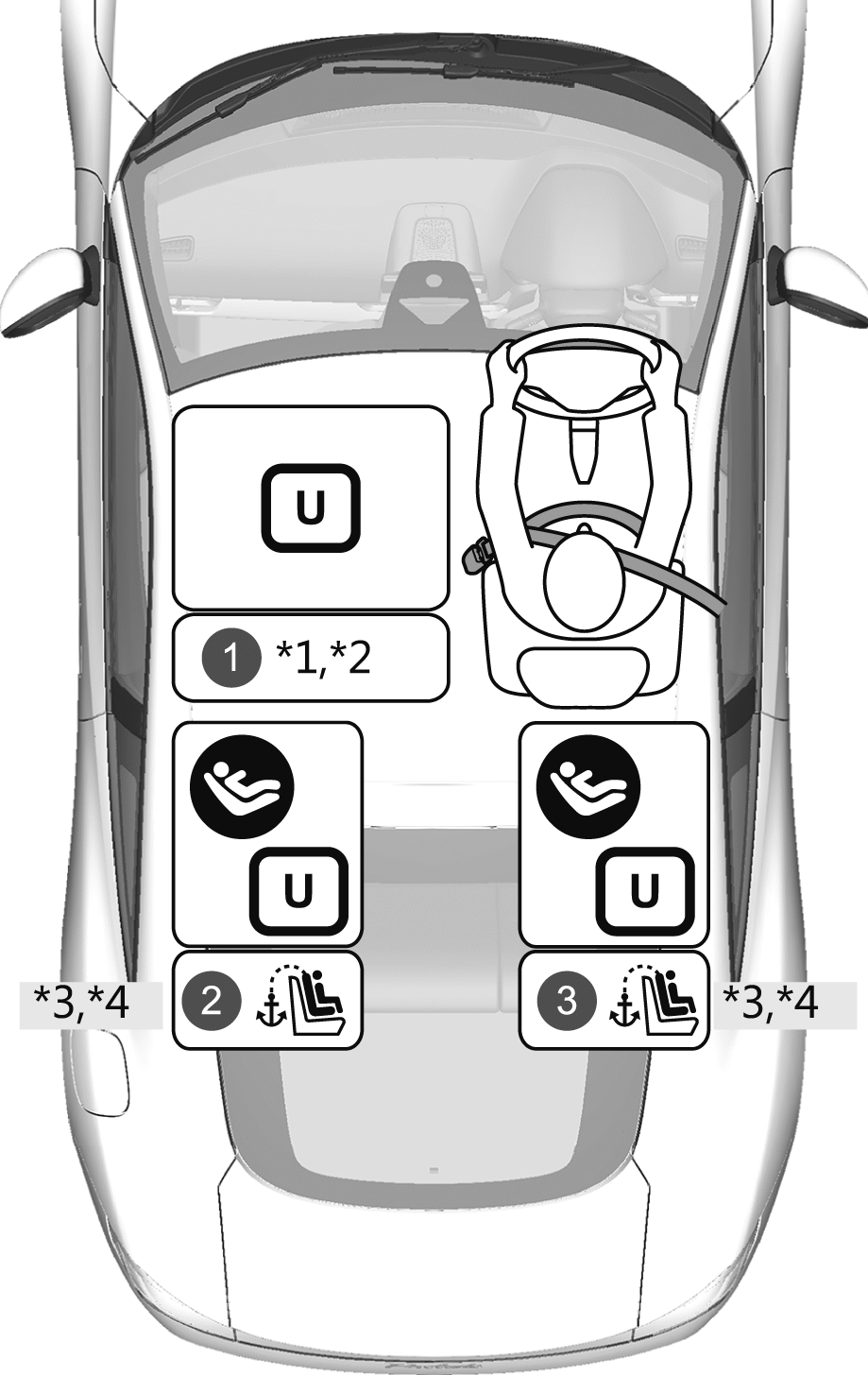
 |
Suitable for universal restraint systems installed with vehicle safety belts. |
 |
Suitable for forward facing universal restraint systems installed with vehicle safety belts. |
 |
Suitable for ISOFIX child restraints systems. |
 |
Suitable for forward facing restraint systems only. |
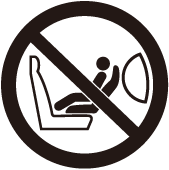 |
Never use a rearward facing child restraint system. |
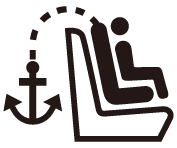 |
Seat position equipped with Top Tether anchorages. |
*1: Adjust the seat slide to the rearmost position.
- If the child restraint system interferes with the head restraint and cannot be installed stably, raise the head restraint to the top.
- Do not use strap when installing a child restraint system.
- A child restraint system with support legs can be installed in the passenger seat.
*2: For installing the universal belted type, adjust the seat back to the most front lock position.
*3: When installing a child restraint system in the rear seat, adjust the front seats so that the child or child restraint system does not contact with the front seats.
*4: When installing a child restraint system using with ISOFIX (lower anchorage connector), the seat belt cannot be used.
- When using a booster seat, do not use the ISOFIX lower anchorage connector.
|
|
|
Seating position and Seat position number |
||||
|---|---|---|---|---|---|---|
|
|
Size groups Weight Stature |
|
|
|
||
|
Front passenger*1 |
2nd row*4,*5 |
|||||
|
Front passenger airbag ON/OFF switch position |
Left |
Right |
||||
|
ON*2 |
OFF |
|||||
|
Seating position suitable for universal belted (yes/no) |
Group 0 |
Up to 10kg |
No |
Yes*3 |
Yes |
Yes |
|
Group 0+ |
Up to 13kg |
|||||
|
Group Ⅰ |
9–18kg |
Yes*3 |
Yes*3 |
Yes |
Yes |
|
|
Group Ⅱ |
15–25kg |
|||||
|
Group Ⅲ |
22–36kg |
|||||
|
i-Size seating position (yes/no) |
Up to 150cm |
No |
No |
No |
No |
|
|
Seating position suitable for recommended genuine CRS*6 |
Refer to genuine CRS list |
Yes |
Yes |
Yes |
Yes |
|
|
Seating position suitable for lateral fixture (L1/L2) |
— |
No |
No |
No |
No |
|
|
Largest suitable rearward facing fixture (R1/R2X/R2/R3) |
Group 0 |
Up to 10kg |
No |
No |
R1 |
R1 |
|
Group 0+ |
Up to 13kg |
|||||
|
Group Ⅰ |
9–18kg |
|||||
|
Largest suitable forward facing fixture (F2X/F2/F3) |
Group Ⅰ |
9–18kg |
No |
No |
F2X |
F2X |
|
Largest suitable booster fixture (B2/B3) |
Up to 150cm |
B3 |
B3 |
No |
No |
|
*1: Adjust the seat slide to the rearmost position.
- If the child restraint system interferes with the head restraint and cannot be installed stably, raise the head restraint to the top.
- Do not use strap when installing a child restraint system.
- A child restraint system with support legs can be installed in the passenger seat.
*2: Forward facing only
*3: For installing the universal belted type, adjust the seat back to the most front lock position.
*4: When installing a child restraint system in the rear seat, adjust the front seats so that the child or child restraint system does not contact with the front seats.
*5: When installing a child restraint system using with ISOFIX (lower anchorage connector), the seat belt cannot be used.
- When using a booster seat, do not use the ISOFIX lower anchorage connector.
*6: The named Child Restraint Systems (CRS) reflect Honda's recommendations at the date of publication. You should speak to an authorised dealer for up to date details relating to our recommended CRSs. Other CRS may also be suitable - please consult CRS manufacturers for recommended vehicle lists.
|
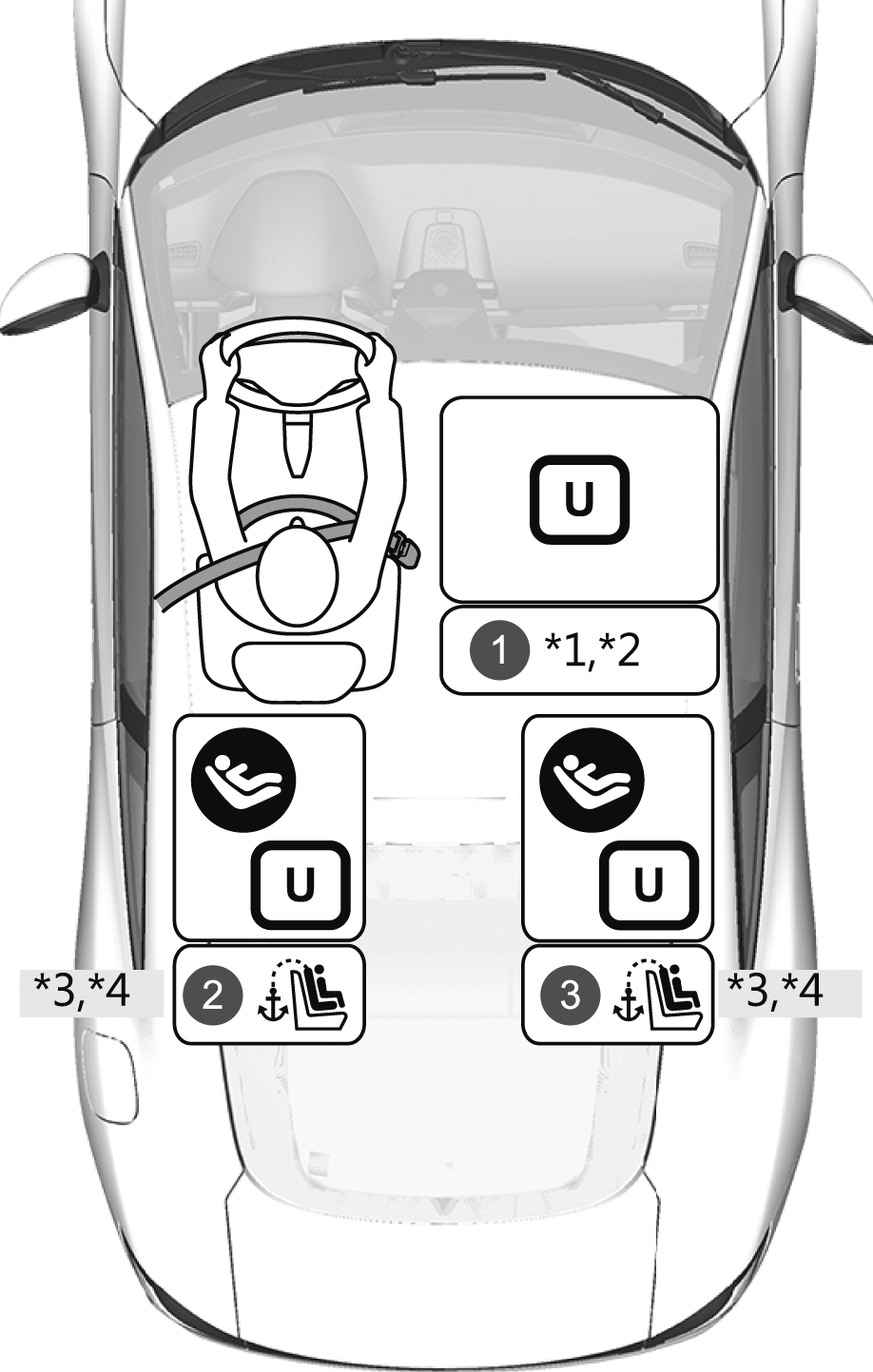
Suitable for universal restraint systems installed with vehicle safety belts. |
|
Suitable for forward facing universal restraint systems installed with vehicle safety belts. |
|
Suitable for ISOFIX child restraints systems. |
|
Suitable for forward facing restraint systems only. |
|
Never use a rearward facing child restraint system. |
|
Seat position equipped with Top Tether anchorages. |
*1: Adjust the seat slide to the rearmost position.
- If the child restraint system interferes with the head restraint and cannot be installed stably, raise the head restraint to the top.
- Do not use strap when installing a child restraint system.
- A child restraint system with support legs can be installed in the passenger seat.
*2: For installing the universal belted type, adjust the seat back to the most front lock position.
*3: When installing a child restraint system in the rear seat, adjust the front seats so that the child or child restraint system does not contact with the front seats.
*4: When installing a child restraint system using with ISOFIX (lower anchorage connector), the seat belt cannot be used.
- When using a booster seat, do not use the ISOFIX lower anchorage connector.
|
|
|
Seating position and Seat position number |
||||
|---|---|---|---|---|---|---|
|
|
Size groups Weight Stature |
|
|
|
||
|
Front passenger*1 |
2nd row*4,*5 |
|||||
|
Front passenger airbag ON/OFF switch position |
Left |
Right |
||||
|
ON*2 |
OFF |
|||||
|
Seating position suitable for universal belted (yes/no) |
Group 0 |
Up to 10kg |
No |
Yes*3 |
Yes |
Yes |
|
Group 0+ |
Up to 13kg |
|||||
|
Group Ⅰ |
9–18kg |
Yes*3 |
Yes*3 |
Yes |
Yes |
|
|
Group Ⅱ |
15–25kg |
|||||
|
Group Ⅲ |
22–36kg |
|||||
|
i-Size seating position (yes/no) |
Up to 150cm |
No |
No |
No |
No |
|
|
Seating position suitable for recommended genuine CRS*6 |
Refer to genuine CRS list |
Yes |
Yes |
Yes |
Yes |
|
|
Seating position suitable for lateral fixture (L1/L2) |
— |
No |
No |
No |
No |
|
|
Largest suitable rearward facing fixture (R1/R2X/R2/R3) |
Group 0 |
Up to 10kg |
No |
No |
R1 |
R1 |
|
Group 0+ |
Up to 13kg |
|||||
|
Group Ⅰ |
9–18kg |
|||||
|
Largest suitable forward facing fixture (F2X/F2/F3) |
Group Ⅰ |
9–18kg |
No |
No |
F2X |
F2X |
|
Largest suitable booster fixture (B2/B3) |
Up to 150cm |
B3 |
B3 |
No |
No |
|
*1: Adjust the seat slide to the rearmost position.
- If the child restraint system interferes with the head restraint and cannot be installed stably, raise the head restraint to the top.
- Do not use strap when installing a child restraint system.
- A child restraint system with support legs can be installed in the passenger seat.
*2: Forward facing only
*3: For installing the universal belted type, adjust the seat back to the most front lock position.
*4: When installing a child restraint system in the rear seat, adjust the front seats so that the child or child restraint system does not contact with the front seats.
*5: When installing a child restraint system using with ISOFIX (lower anchorage connector), the seat belt cannot be used.
- When using a booster seat, do not use the ISOFIX lower anchorage connector.
*6: The named Child Restraint Systems (CRS) reflect Honda's recommendations at the date of publication. You should speak to an authorised dealer for up to date details relating to our recommended CRSs. Other CRS may also be suitable - please consult CRS manufacturers for recommended vehicle lists.
Genuine CRS List
|
Range of application |
Child Restraint System |
Category |
|---|---|---|
|
40cm to 83cm up to 13kg (Birth - 15 months) |
Honda baby safe |
Universal Belted |
|
100cm to 150cm 15kg to 36kg (3.5 years - 12 years) |
Honda KIDFIX |
i-Size Booster seat |
When purchasing a child restraint systems, make sure to check the ISOFIX size class or the fixture to ensure that the seat is compatible with your vehicle.
|
Fixture (CRF) |
Description |
|---|---|
|
ISO/L1 |
Left lateral-facing (carrycot) infant seat |
|
ISO/L2 |
Right lateral-facing (carrycot) infant seat |
|
ISO/R1 |
Rearward-facing infant seat |
|
ISO/R2X |
Reduced-size rearward-facing child restraint systems |
|
ISO/R2 |
Reduced-size rearward-facing child restraint systems |
|
ISO/R3 |
Full-size rearward-facing child restraint systems |
|
ISO/F2X |
Reduced-height forward-facing child restraint systems |
|
ISO/F2 |
Reduced-height forward-facing child restraint systems |
|
ISO/F3 |
Full-height, forward-facing child restraint systems |
|
ISO/B2 |
Reduced width forward-facing booster seat |
|
ISO/B3 |
Full width forward-facing booster seat |